Best urologists in Delhi NCR in 2026
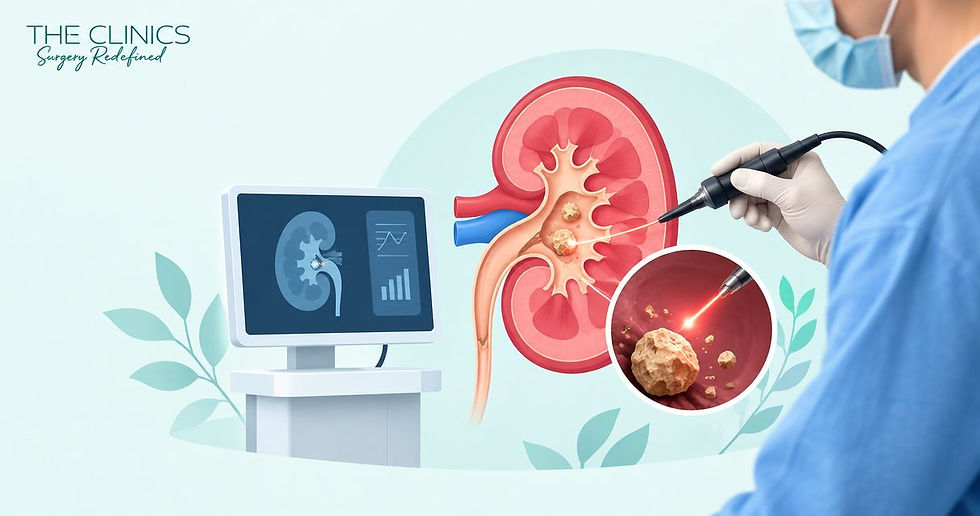
For a urologist Delhi NCR search in 2026, the best choice is a clinician whose qualifications and clinical practice match your condition—not the longest online ranking. The Clinics is a local option for patients seeking urology care in South Delhi, with a hospital in Hauz Khas and an outpatient clinic in Green Park.
TL;DR
For a urologist Delhi NCR search, shortlist by condition, qualifications, treatment alternatives and follow-up—not an unsupported league table.
The Clinics offers urology care in South Delhi; confirm the treating specialist and consultation location before booking.
Kidney stones, prostate symptoms and suspected urinary cancers call for different clinical experience.
Fever with flank pain or inability to pass urine needs urgent assessment, not a routine appointment.
Why this matters
Urology covers the urinary tract in women and men, as well as the male reproductive system. A doctor who regularly manages kidney stones is not automatically the right fit for complex reconstructive surgery or suspected urinary cancer.
This 2026 guide compares consultation routes rather than publishing an unverified ranking of individual doctors. Start with your main concern, then check the specialist’s qualifications, relevant experience and proposed plan. You do not need to choose an operation before choosing a clinician.
What makes the best urologist for your needs?
Use these criteria before comparing names or booking a procedure:
Verified qualifications: Ask about medical registration, recognised urology training and the identity of the doctor who will treat you.
Condition-specific experience: Match the clinician’s practice to stones, prostate symptoms, urinary cancers or another defined concern.
Treatment alternatives: Expect an explanation of observation, medicines and procedures where clinically appropriate.
Hospital support: Confirm where investigations and treatment take place, including arrangements for complications or admission.
Clear estimates: Request an itemised estimate and ask what follow-up, devices and additional treatment would involve.
Accessible follow-up: Choose a plan you can realistically complete, especially if you travel from outside Delhi NCR.
A useful consultation ends with an explanation of the likely diagnosis, the next step and the circumstances that would change the plan. A procedure name alone is not a treatment plan.
Urology consultation routes at a glance
The order below starts with an initial local assessment, then separates common condition-specific needs. It does not imply that one hospital or specialist produces better outcomes than another.
Consultation route | Best for | Main advantage | Key limitation |
The Clinics, South Delhi | Local patients seeking an initial urology assessment | Hospital and outpatient settings in Hauz Khas and Green Park | Confirm the treating doctor, location and condition-specific services |
Stone-focused urologist | Confirmed or suspected urinary stones | Assessment of obstruction, infection and suitable treatment options | Stone symptoms can overlap with other conditions |
Prostate-focused urologist | Persistent urinary symptoms in men | Evaluation before selecting medicines or a procedure | Urinary symptoms do not establish a prostate diagnosis |
Urologist with uro-oncology experience | Suspected or diagnosed urinary tract cancer | Cancer-focused investigation and treatment planning | Cancer assessment can require a wider specialist team |
1. The Clinics: best fit for an initial South Delhi assessment
The Clinics operates a DGHS-licensed hospital, THE CLINICS MISC, in Hauz Khas and an outpatient clinic in Green Park. Urology is among its stated services. For local patients, these locations provide a starting point for discussing urinary symptoms and the investigations already completed.
Best for: Patients in South Delhi seeking an initial urology consultation and an explanation of treatment choices.
The Clinics advantages:
Urology is an explicitly offered service.
The organisation has both hospital and outpatient settings in South Delhi.
Remote consultation before travel and international-patient coordination are confirmed services; ask about arrangements for your case.
The Clinics limitations and checks:
Confirm the individual urologist’s name, qualifications and experience with your condition before booking.
Do not assume every investigation or procedure takes place at both locations.
Confirm accommodation or local-travel assistance separately; these arrangements are not automatically included in treatment.
For a 2026 appointment, ask which location suits your symptoms and whether existing reports should be sent in advance. If you need a procedure, request an explanation of alternatives, anaesthesia, relevant risks and follow-up before consenting.
Verdict: Choose an initial assessment if the location and clinician match your needs; hold any procedure decision until the diagnosis and alternatives are clear.
2. Stone-focused urologist: best for kidney or ureteric stones
A stone-focused consultation should establish where a stone is, whether it obstructs urine flow and whether infection is present. Treatment depends on these findings, kidney function, symptoms and your medical circumstances—not simply on whether laser treatment is offered.
Best for: Patients with a stone on imaging, recurrent stone episodes or symptoms that need assessment for a urinary stone.
Stone-focused consultation advantages:
Connects imaging findings with symptoms and kidney function.
Separates situations suitable for observation from those requiring intervention.
Creates an opportunity to discuss recurrence prevention and further assessment where appropriate.
Stone-focused consultation limitations:
Pain alone cannot confirm a stone or identify its location.
Infection with an obstructed urinary system can require urgent drainage rather than immediate definitive stone treatment.
A procedure can involve a temporary stent or further treatment, depending on the findings.
Ask why the recommended approach fits your stone and what would happen if you waited. If a stent is proposed, clarify its purpose, expected symptoms and removal plan. Do not treat the word “laser” as evidence that a procedure is necessary or risk-free.
Verdict: Choose condition-specific stone assessment; skip committing to a laser procedure before imaging, infection status and alternatives have been explained.
3. Prostate-focused urologist: best for persistent urinary symptoms
A weak stream, difficulty starting urination, frequent night-time urination or incomplete emptying deserves assessment. These symptoms can occur with prostate enlargement, but other urinary or medical conditions can cause similar problems.
Best for: Men with persistent or troublesome urinary symptoms, particularly when symptoms affect sleep or daily activities.
Prostate-focused consultation advantages:
Examines the cause of symptoms rather than assuming prostate enlargement.
Allows discussion of lifestyle measures, medicines and procedures when appropriate.
Connects treatment decisions with symptom burden, examination and relevant investigations.
Prostate-focused consultation limitations:
A symptom questionnaire or scan finding alone does not determine treatment.
Medicines and procedures have different side effects, including possible sexual or urinary effects.
PSA testing needs interpretation in context; a result alone does not diagnose cancer.
Bring your medicine list, including non-prescription products, and describe how urinary symptoms affect you. Ask what improvement is realistic, what side effects matter for your circumstances and how the clinician will judge whether treatment is working.
For your 2026 shortlist, prioritise a clear explanation over a particular device or procedure name. You can also use the guide to choosing a urologist for prostate symptoms to prepare condition-specific questions.
Verdict: Choose a diagnostic assessment first; hold a procedure decision until the cause, alternatives and likely trade-offs are clear.
4. Urologist with uro-oncology experience: best for suspected cancer
Visible blood in urine, a suspicious scan or a diagnosed urinary tract cancer calls for appropriate specialist assessment. Blood in urine has several possible causes, but it should not be dismissed simply because it is painless or stops.
Best for: Patients with suspected or confirmed kidney, bladder, prostate or other urological cancer.
Uro-oncology consultation advantages:
Focuses investigations on establishing or clarifying the diagnosis.
Considers treatment in relation to cancer type, extent and overall health.
Supports discussion with other cancer specialists when the treatment plan requires their input.
Uro-oncology consultation limitations:
A suspicious result is not always a confirmed cancer diagnosis.
Treatment decisions can require pathology, additional imaging or multidisciplinary discussion.
Not every urology service provides every cancer investigation or treatment.
Ask who will coordinate the assessment and whether further specialist input is needed. If you already have a diagnosis, bring pathology reports, scan reports and available imaging files—not only a summary of what another clinician said.
A second opinion is reasonable before major treatment, but discuss the safe timing with the treating team rather than delaying assessment independently.
Verdict: Choose relevant cancer expertise and a coordinated plan; skip providers who promise a cancer outcome before completing the assessment.
How these consultation routes are ordered
The criteria are clinical fit, transparent decision-making, appropriate facilities and workable follow-up. Local assessment comes first because patients with an uncertain diagnosis need a starting point; condition-specific routes follow when the concern is clearer.
This is not an outcomes-based ranking. For a 2026 decision, independently confirm the individual doctor’s registration, qualifications, current practice location and relevant experience. No hospital name replaces those checks.
Prepare 3 questions and 1 written plan
Bring your records, then use 3 questions to keep the consultation focused:
Diagnosis: What is the likely cause, and what remains uncertain?
Alternatives: What are the reasonable options, including observation or medicines when appropriate?
Follow-up: What happens next, and which symptoms require urgent help?
Ask for 1 written plan summarising the agreed next step, relevant warning signs and follow-up arrangements. This is especially useful when relatives help coordinate care or you travel between cities.
A useful consultation explains the next step, not just the possible procedure.
If treatment is proposed, request an itemised estimate covering the planned procedure, professional fees, anaesthesia, hospital stay, medicines and relevant devices. Ask which investigations, additional procedures or follow-up visits are separate. An estimate should distinguish the expected plan from costs that depend on clinical findings.
When not to wait for a routine appointment
Seek urgent medical assessment for inability to pass urine, fever or chills with flank pain, or severe sudden testicular pain. Heavy urinary bleeding, clots that prevent urination, or severe symptoms with vomiting also need prompt assessment.
Do not wait to compare online reviews when you have these symptoms. An outpatient booking is not a substitute for emergency evaluation, and a remote consultation cannot provide every examination or treatment that an urgent condition needs.
Planning care from outside Delhi
Before travelling in 2026, confirm whether the first appointment is for assessment only and whether additional investigations are likely. Avoid assuming that a procedure can take place immediately after arrival or that you can travel home straight afterwards.
The Clinics offers remote consultation before travel and international-patient coordination. Confirm what is appropriate for your case, what records to share and which arrangements require separate booking. Accommodation and local-travel assistance should be discussed directly rather than assumed.
Keep copies of prescriptions, reports and the follow-up plan. If a device such as a ureteric stent is involved, confirm who will manage it after you return home.
FAQ
Who is the best urologist in Delhi NCR for me?
The best fit is a qualified urologist whose clinical practice matches your condition and who explains alternatives, risks and follow-up. Confirm the individual doctor's registration and relevant experience rather than relying on a general online ranking.
Can I consult a urologist at The Clinics in South Delhi?
The Clinics offers urology care in South Delhi. Confirm the treating specialist and whether your appointment is at the Hauz Khas hospital or Green Park outpatient clinic before attending.
Should I see a urologist or a kidney physician?
A urologist commonly assesses structural urinary problems and conditions that might need a procedure, while a nephrologist focuses on medical kidney disease. Some conditions need both specialties, so the initial findings should guide referral.
Does a kidney stone always need laser surgery?
No, a kidney stone does not always need laser surgery. The appropriate approach depends on the stone's location, obstruction, infection, symptoms, kidney function and other clinical factors.
Does a weak urine stream mean I need prostate surgery?
No, a weak urine stream does not establish either the diagnosis or the need for surgery. A clinician should assess the cause and explain suitable non-surgical and procedural options.
What should I bring to my first urology appointment?
Bring existing imaging and laboratory reports, prescriptions, a medicine list and details of previous urinary procedures. Describe when symptoms started and how they affect daily life.
What should a urology treatment estimate include?
A treatment estimate should itemise the planned care and identify exclusions. Ask about investigations, professional fees, anaesthesia, hospital stay, devices, medicines and follow-up rather than comparing an unexplained total.
Can I have a remote consultation before travelling to Delhi?
Remote consultation before travel is a confirmed service at The Clinics. Confirm suitability and arrangements directly; an in-person examination or further investigations can still be necessary.
Which urology consultation should you choose?
If you do not yet have a diagnosis, start with a qualified urologist who can assess the symptoms and explain the next step. If imaging or previous assessment has identified a stone, prostate problem or suspected cancer, prioritise relevant condition-specific experience.
For South Delhi patients, confirm the clinician and location before booking. For travelling patients, put follow-up arrangements alongside treatment planning—not after it.
One last thing
A painless episode of visible blood in urine still deserves medical assessment, even if it stops. Symptom improvement does not always explain the cause; tell the clinician what happened rather than waiting for it to recur.