

Video Proctoscopy in Delhi: Why It Matters for Piles, Fissure and Fistula
Bleeding while passing stool, pain, itching, or a lump near the anus is common, and many people assume it is piles. That guess is not always right. A fissure, a fistula, inflammation, a polyp, or another condition can cause similar symptoms. Video proctoscopy is a clinic examination that lets a colorectal surgeon look directly at the anal canal and lower rectum, and record the view so it can be explained to you.
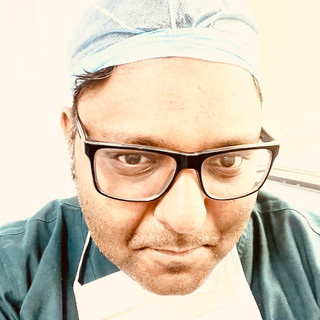
The video proctoscopy facility is available at THE CLINICS in South Delhi. The examination is done by Dr Saurabh Bansal, GI, Advanced Laparoscopic & Colorectal Surgeon and Proctologist.
What Is Video Proctoscopy?
Proctoscopy is an examination of the anal canal and lower rectum with a short, lighted tube called a proctoscope. In video proctoscopy, a camera is attached so the view is shown on a screen and can be recorded.
The surgeon can see internal piles (haemorrhoids), the site of bleeding, a fissure, an internal opening of a fistula, inflammation, or other changes that are not always clear on an external look or a finger examination alone. The recorded video can be reviewed with you. The examination is usually done in the clinic, takes a few minutes, and does not require a full bowel preparation or sedation in routine cases.
Why Is Video Proctoscopy Important?
Bright red bleeding is often due to piles or a fissure, but bleeding should not be labelled by guesswork. Video proctoscopy gives a direct view of the anal canal and lower rectum on a monitor; helps confirm piles, a fissure, a fistula opening, or another local cause; records the examination so the finding can be shown and discussed with you; helps the surgeon choose between medicines, lifestyle advice, a clinic procedure, or surgery, based on what is actually seen; provides a record that can be compared after treatment; and helps decide whether a further test, such as colonoscopy, is also needed.
It is a diagnostic examination of the lower few centimetres of the bowel. It does not replace colonoscopy when the whole colon needs to be checked.
When and Where Video Proctoscopy Is Important
Video proctoscopy is important when symptoms point to a problem in the anus or lower rectum, and a clear look is needed before treatment is planned. It is often advised if you have:
Bleeding per rectum: bright red blood on the stool, in the pan, or on the paper. The test helps show whether the bleeding is from internal piles, a fissure, or another source in this area.
Piles (haemorrhoids): a lump that comes down, mucus, or a feeling of incomplete evacuation. Internal piles are not always visible from the outside. A proctoscopy test for piles is used to see their grade and position, which guides treatment.
Anal fissure: sharp pain during or after passing stool, sometimes with a little bleeding. Many fissures are suspected from the history and a careful external look. Proctoscopy may be used when it is appropriate, or deferred if an acute fissure would make the examination too uncomfortable.
Fistula: recurrent discharge, a boil near the anus, or an opening on the skin. Proctoscopy can help look for an internal opening. Imaging may still be needed for complex tracks.
Itching, irritation or discharge that has not settled, to look for piles, a fissure, skin changes, or an internal source of irritation.
Anal or rectal pain, swelling, or a lump, when the cause is not clear from the outside.
Before treatment: so that the plan — ointment, dietary advice, a clinic procedure, or an operation — is based on a documented finding rather than on symptoms alone.
After treatment: to review healing or to check residual piles, a persistent fissure, or an ongoing fistula track when symptoms continue.
Ruling out other local causes: polyps low in the rectum, inflammation (proctitis), an ulcer, or a mass can occasionally mimic piles. If the proctoscopy does not explain the symptom, or if there are warning features, the surgeon may advise colonoscopy or further tests.
Video proctoscopy is a clinic procedure. At THE CLINICS, the video proctoscopy facility is available at THE CLINICS MISC, Hauz Khas, South Delhi, and is carried out by Dr Saurabh Bansal. You can also discuss symptoms at the Green Park clinic and be guided on where the examination will be done.
How Is a Proctoscopy Test Done?
The steps are usually as follows:
The surgeon takes a history and, with your consent, examines the area. A digital rectal examination may be done first.
You lie on your side with your knees drawn up, or in another suitable position.
Lubricant is applied. A proctoscope with a camera is gently introduced into the anal canal and lower rectum.
The surgeon inspects the lining on a monitor for piles, a fissure, a fistula opening, bleeding points, or other changes, and may record the video.
The instrument is withdrawn. The findings are explained to you, often with the recording.
The examination typically takes a few minutes. In selected cases a biopsy may be taken if the lining looks abnormal; this is explained at the time.
How to Prepare for a Proctoscopy Test
Routine video proctoscopy usually needs little preparation, and a full bowel wash is not required. You may be asked to pass stool beforehand or, in some cases, to use a small enema. Follow the booking instructions. Fasting is usually not required. Tell the surgeon about blood thinners, allergies, a current painful fissure, or previous anal surgery.
Does a Proctoscopy Test Hurt?
A common question is whether a proctoscopy test hurts. Most people feel pressure or brief discomfort when the instrument is introduced, rather than sharp pain. Lubrication and a gentle technique are used so that discomfort is kept as low as possible.
If you have an acute anal fissure, a tight sphincter, or marked inflammation, the examination can be more uncomfortable. The surgeon may then limit or defer it. You can ask to pause at any time.
Video Proctoscopy Versus Colonoscopy
Proctoscopy and colonoscopy are not the same test, and one does not automatically replace the other.
Video proctoscopy examines the anal canal and lower rectum. It is usually done in the clinic, with little or no bowel preparation, and without sedation. It is the usual first look for piles, fissure, fistula and many cases of bright red bleeding.
Colonoscopy examines the entire large bowel. It needs full bowel preparation and is usually done with sedation. It is used when bleeding is mixed with stool, bowel habits have changed, there is anaemia, a family history of colorectal cancer, or other warning features, or when screening of the whole colon is advised.
If video proctoscopy explains a typical anorectal problem, colonoscopy may not be needed at that visit. If the source of bleeding is not seen, or if your age and history call for a full colonic check, Dr Saurabh Bansal may advise colonoscopy as a separate test.
Video Proctoscopy Test Price
Fees vary by clinic and by whether the examination is part of a consultation. THE CLINICS will share the fee on a call or at booking.
Video Proctoscopy at THE CLINICS, South Delhi
The video proctoscopy facility is available at THE CLINICS. Dr Saurabh Bansal, GI, Advanced Laparoscopic & Colorectal Surgeon and Proctologist (DMC Reg. No. 37887), performs the examination and discusses the findings with you. He also provides care for piles, fissure, fistula and other colorectal conditions. See the clinic's piles surgeon in Delhi page, laser fissure treatment page, and Proctologist in South Delhi.
THE CLINICS MISC, Hauz Khas, is a 6-bed, DGHS-approved centre.
Clinic locations:
THE CLINICS MISC, Hauz Khas: H-2, opposite Neeli Masjid, New Delhi 110016. Phone/WhatsApp +91 92173 81353.
THE CLINICS, Green Park: G-32, Ground Floor, Green Park Main Market Road, New Delhi 110016. Phone/WhatsApp +91 84488 30013.
+91 83683 75734.
To book a video proctoscopy appointment, use Book a consultation or WhatsApp the clinic.
Frequently Asked Questions
What is video proctoscopy?
It is a proctoscopy test that uses a short tube with a camera to examine the anal canal and lower rectum on a screen. The examination can be recorded and reviewed with you.
Why is proctoscopy done?
It is done to look for the cause of bleeding per rectum, piles, fissure, fistula, pain, itching, or a lump, and to plan or review treatment.
Is a proctoscopy test painful?
Most people feel pressure or brief discomfort. An acute fissure can make it more uncomfortable, and the surgeon may adjust or defer the examination.
What is the difference between proctoscopy and colonoscopy?
Proctoscopy looks at the anal canal and lower rectum and is usually done in the clinic. Colonoscopy looks at the whole large bowel and needs full preparation.
Is proctoscopy used for piles?
Yes. A proctoscopy test for piles is a standard way to see internal haemorrhoids, assess their grade, and decide on treatment.
Is proctoscopy safe?
Proctoscopy is a commonly performed clinic examination. As with any internal examination, there can be brief discomfort or a little spotting, which the surgeon will explain if relevant.
Medical Disclaimer
This article is for general information only and is not a personal diagnosis or treatment plan. Findings should be interpreted by a qualified doctor with your history and, when needed, further tests such as colonoscopy. If you have heavy rectal bleeding, black stools, severe pain, fever, or dizziness, seek urgent medical care.


