

Gallbladder Surgery in Delhi: What to Know About Gallstone Surgery
Gallstones are one of the most common digestive problems in India. Many people carry them for years without knowing. Others get sudden pain after a heavy meal and end up in the emergency room. If an ultrasound has shown stones in your gallbladder, this guide explains when gallstone surgery is needed, how it's done and what recovery looks like.
What Is the Gallbladder and Why Do Stones Form?
The gallbladder is a small pear-shaped organ under the liver. It stores bile, a fluid that helps digest fat. When bile holds too much cholesterol or bilirubin, or the gallbladder doesn't empty properly, the bile hardens into stones. These can be as small as sand grains or as large as a golf ball.
Common risk factors include:
Being overweight, or losing weight very quickly
Diabetes
Pregnancy and hormonal changes
A family history of gallstones
A diet high in fat and low in fibre
Age over 40, though gallstones are now often seen in younger adults too
Symptoms of Gallstones
Many gallstones cause no symptoms and are found by chance on an ultrasound. When they do cause trouble, common signs are:
Pain in the upper right or middle of the abdomen, often after oily food
Pain that spreads to the right shoulder or back
Nausea, vomiting, bloating and indigestion
Fever with pain, which may mean an infected gallbladder (cholecystitis)
Yellowing of the eyes or skin (jaundice), which can happen if a stone slips into the bile duct
Severe pain, fever or jaundice needs urgent medical attention. Gallstones can also lead to pancreatitis, a serious inflammation of the pancreas.
When Is Gallbladder Surgery Needed?
Gallstones don't dissolve reliably with medicines, and once they start causing symptoms, attacks tend to come back. Surgery is usually advised if you have:
Repeated episodes of gallstone pain
Inflammation or infection of the gallbladder
Stones in the bile duct, or jaundice
Gallstone pancreatitis
A gallbladder polyp or a thickened gallbladder wall that needs attention
If your stones were found by chance and cause no symptoms, your surgeon will discuss whether to operate now or watch and wait, based on stone size, age and other health conditions.
How Is Gallstone Surgery Done?
The standard operation is laparoscopic cholecystectomy, the keyhole removal of the gallbladder. The surgeon makes three or four small cuts in the abdomen and uses a camera and fine instruments to remove the gallbladder along with the stones inside it. The operation is done under general anaesthesia.
Compared with open surgery, the keyhole approach usually means smaller wounds, a shorter hospital stay and a quicker return to normal activities. In a small number of cases, the surgeon may need to switch to an open operation for safety.
Can You Live Normally Without a Gallbladder?
Yes. After the gallbladder is removed, bile flows directly from the liver into the intestine. Most people go back to a normal diet within a few weeks. Some notice loose stools or discomfort after very oily meals at first, which usually settles with time and simple diet changes.
Recovery After Gallbladder Surgery
Same day: most patients walk within a few hours of surgery.
Going home: usually the next day.
First week: a light diet, short walks, and care of the small wounds.
Back to work: desk jobs usually within 5 to 7 days.
Heavy lifting and gym: usually after about 4 weeks, as advised by your surgeon.
Gallbladder Surgery at THE CLINICS, South Delhi
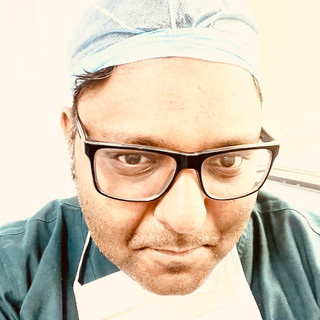
At THE CLINICS, Dr Saurabh Bansal, GI, Advanced Laparoscopic & Colorectal Surgeon, sees patients with gallstones from the first consultation. This includes checking ultrasound and blood reports and, where needed, further tests such as MRCP to look for stones in the bile duct. When surgery is needed, he performs laparoscopic cholecystectomy in a 6-bed DGHS-approved facility. Each patient is given a clear plan for preparing before surgery and recovering afterwards.
Dr Bansal trained under Dr C. Palanivelu in minimal access surgery and has years of experience in laparoscopic GI surgery. Patients with diabetes, obesity or a previous abdominal operation are assessed carefully so the procedure is planned safely.
Clinic locations:
Hauz Khas: H2, opposite Neeli Masjid
Green Park: G-32
Frequently Asked Questions
Is gallstone surgery safe?
Laparoscopic cholecystectomy is one of the most commonly performed operations worldwide and is considered safe. Like any surgery, it carries some risks, which your surgeon will explain before the operation.
Can gallstones be treated without surgery?
Medicines rarely dissolve stones fully, and stones often return. Surgery is the standard treatment for gallstones that cause symptoms.
How long does the operation take?
Usually about 45 to 60 minutes, though complex cases may take longer.
Book a Consultation
If you have gallstone pain, an ultrasound showing stones, or questions about gallbladder surgery, book a consultation with Dr Saurabh Bansal at THE CLINICS. Call +91 83683 75734 or +91 92173 81353, or message us on WhatsApp.
This article is for general information and isn't a substitute for a medical consultation.


