
Thyroid Nodule Treatment Without Surgery: Microwave Ablation Explained
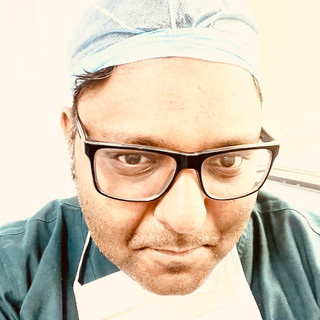
By Dr. Gopal Puri, MBBS, MS, MCh (AIIMS New Delhi),
Consultant Breast Oncoplastic & Endocrine Surgeon, New Delhi
Last medically reviewed: 31.10.2026| Published: 2.11.2026
A thyroid nodule can be unsettling, especially when it causes a visible lump, pressure in the neck or difficulty swallowing. Many people in Delhi and across India worry that the only answer is surgery, a neck scar and lifelong thyroid tablets.
It does not always have to be. For carefully selected patients with a benign nodule, microwave ablation (MWA) is a minimally invasive, ultrasound-guided option that shrinks the nodule without surgically removing thyroid tissue. It is not suitable for everyone, and the first step is always an accurate diagnosis.
Key takeaways Most thyroid nodules are benign, and many only need regular monitoring. MWA may be considered for a confirmed benign nodule that causes symptoms or cosmetic concern. It is ultrasound-guided, usually done under local anaesthesia, with no conventional neck incision. Shrinkage is gradual over months. Regrowth can occur, and repeat treatment is sometimes needed. Suspected or confirmed cancer, or a large multinodular goitre with compression, usually needs a different approach, often surgery. |
In this article
What is microwave ablation of a thyroid nodule?
Do all thyroid nodules need treatment?
Who is a suitable candidate?
How the procedure is performed
Benefits, shrinkage and results
Microwave ablation vs surgery vs RFA
Risks, recovery and follow-up
Cost factors and FAQs
What Is Microwave Ablation of a Thyroid Nodule?
Microwave ablation is an ultrasound-guided procedure that uses controlled heat to treat a thyroid nodule. A thin microwave antenna is passed through the skin into the nodule under continuous ultrasound guidance. The energy heats and destroys the targeted tissue, and over the following months the body gradually absorbs it, so the nodule shrinks.
The aim is usually to reduce nodule volume and relieve pressure or cosmetic symptoms, not necessarily to make the nodule disappear completely. Most of the surrounding healthy thyroid tissue is preserved.
Do All Thyroid Nodules Need Treatment?
No. Most thyroid nodules are benign, and many need only observation. Treatment is considered when a nodule causes problems or changes over time. The decision depends on symptoms, ultrasound findings, biopsy (FNAC) results, size and the nodule's relationship to nearby structures.
When should you see a doctor about a thyroid nodule?
A visible lump or swelling at the front of the neck
Pressure, tightness or discomfort in the neck
Difficulty swallowing, or a feeling of something stuck in the throat
A nodule that is growing on follow-up ultrasound
Symptoms of an overactive thyroid, such as palpitations, weight loss or heat intolerance
Hoarseness, a hard or fixed lump, or rapid growth. These need prompt assessment, as they can sometimes point to something other than a simple benign nodule.
Who Is a Suitable Candidate for Thyroid Nodule Ablation?
Is the nodule reliably benign?
Detailed ultrasound and appropriate cytological assessment are essential. For many nodules, two benign fine-needle aspiration (FNAC) or biopsy results are recommended before thermal ablation, although exceptions exist for certain very-low-risk ultrasound patterns. Suspicious or indeterminate findings need further assessment first.
Does the nodule cause symptoms or cosmetic concern?
A stable, asymptomatic benign nodule is usually observed. Ablation becomes relevant when the nodule causes a meaningful problem.
Is the location safe for ablation?
The thyroid lies close to the recurrent laryngeal nerves, trachea, oesophagus and major blood vessels. Nodule location and operator expertise are crucial.
Are other treatments more appropriate?
Observation, radiofrequency ablation (RFA), ethanol ablation and surgery may each be preferable in different circumstances. Large multinodular goitres, substantial compression or suspected malignancy often need a different approach.
How Is Thyroid Microwave Ablation Performed?
Pre-procedure assessment. Ultrasound, cytology, thyroid function tests, symptoms and medical history are reviewed. A vocal cord assessment may be appropriate in selected patients.
Local anaesthesia. The skin and surrounding tissues are numbed. Sedation may sometimes be used.
Antenna placement. Under continuous ultrasound guidance, the operator positions the microwave antenna inside the target nodule.
Thermal treatment. Energy is delivered in a controlled way while the treatment zone and nearby structures are monitored.
Observation and discharge. You are monitored for pain, bleeding, swelling and voice changes. Many patients go home the same day, depending on clinical circumstances.
Benefits of Microwave Ablation for Thyroid Nodules
No conventional surgical neck incision
Most surrounding thyroid tissue is preserved
Often a shorter recovery than conventional surgery
Gradual reduction in nodule volume, with potential improvement in pressure or cosmetic symptoms
Lower likelihood of needing thyroid hormone replacement than after removal of substantial thyroid tissue, although normal function cannot be guaranteed
How Much Does a Thyroid Nodule Shrink After Ablation?
Shrinkage is gradual, not immediate. Published studies report substantial volume reduction, with some analyses describing roughly 70–90% by 6–12 months. Results vary with the starting size and composition of the nodule, the technique and the length of follow-up. Larger nodules may need repeat treatment, and regrowth can occur. Ultrasound follow-up is essential.
Microwave Ablation vs Thyroid Surgery
Feature | Microwave ablation | Thyroid surgery |
|---|---|---|
Approach | Percutaneous, ultrasound-guided | Surgical removal |
Neck incision | No conventional incision | Usually required for open surgery |
Anaesthesia | Usually local, sometimes sedation | Usually general |
Thyroid tissue | Largely preserved | Part or all removed |
Nodule response | Gradual shrinkage | Immediate removal |
Histopathology | No complete surgical specimen | Surgical specimen available |
Repeat treatment | May be needed | Depends on disease |
Neither treatment is universally better. Surgery remains important when malignancy is suspected or confirmed, compression is severe, multinodular disease is extensive, or a definitive specimen is needed.
Risks and Limitations of Thyroid Ablation
Pain, swelling, bleeding or haematoma
Temporary, or rarely persistent, voice change from nerve injury
Thermal injury to nearby structures, including skin burns
Infection, nodule rupture or inflammatory changes
Incomplete treatment, regrowth or the need for another procedure
Minimally invasive does not mean risk-free. Treatment should be done by an appropriately trained clinician who is familiar with thyroid anatomy, ultrasound guidance and the management of complications.
Recovery and Follow-Up After Thyroid Ablation
Mild discomfort or swelling is common at first. Most of the reduction in volume develops over months. Follow-up commonly includes ultrasound at around 3, 6 and 12 months, longer-term surveillance, and thyroid function tests where appropriate.
Seek prompt medical assessment for significant swelling, breathing difficulty, new voice changes, fever or severe pain.
What Affects the Cost of Thyroid Ablation in India?
Cost differs between centres and between patients. It depends on the size and number of nodules, the technique and equipment used, whether sedation is needed, whether treatment is day-care or involves admission, the pre-procedure tests and follow-up scans, and whether a repeat session is required. Insurance coverage varies by insurer and policy, so check with yours before treatment.
Frequently Asked Questions About Thyroid Nodule Ablation
Can a thyroid nodule be treated without surgery?
Yes, in selected cases. Many benign nodules only need monitoring. For benign nodules that cause symptoms or cosmetic concern, image-guided thermal ablation such as radiofrequency ablation (RFA), laser ablation or microwave ablation (MWA) may be options, and ethanol ablation is used mainly for fluid-filled (cystic) nodules. Suitability depends on ultrasound features, biopsy results, size and location.
Is microwave ablation of the thyroid painful?
Local anaesthesia is used to numb the skin and surrounding tissues, and sedation is sometimes added. You may still feel pressure, warmth or some discomfort during treatment, and mild soreness afterwards.
Does thyroid microwave ablation leave a scar?
There is no conventional surgical neck incision. The antenna is inserted through a tiny puncture in the skin, so any visible mark is minimal.
Will I need lifelong thyroid medication after ablation?
Most patients treated for a benign, non-functioning nodule keep enough healthy thyroid tissue, so lifelong tablets are often avoided. However, normal function cannot be guaranteed, so thyroid blood tests are monitored after treatment.
Can microwave ablation treat thyroid cancer?
Thermal ablation has been studied for selected small cancers, but that is a separate clinical situation. Ablation of a benign nodule should not be confused with established cancer treatment. If cancer is suspected or confirmed, you need a specialist assessment, and surgery is often the standard approach.
Can the nodule grow back after ablation?
Yes. Regrowth is possible, particularly with larger nodules, and repeat ablation or surgery may sometimes be needed. This is why regular ultrasound follow-up matters.
Is microwave ablation suitable for a large multinodular goitre?
Not always. Extensive multinodular disease or significant compression of the windpipe or food pipe is often better managed with surgery.
Is microwave ablation safer than thyroid surgery?
Neither is universally safer or better. Ablation avoids a neck incision and general anaesthesia in most cases, but it carries its own risks, including voice change and thermal injury, and it does not give a surgical specimen. The right choice depends on your diagnosis, symptoms and anatomy.
Is thyroid ablation covered by health insurance in India?
Coverage varies by insurer and policy. Ask your insurer in advance whether image-guided thyroid ablation is covered, and what documents they need.
Is thyroid microwave ablation available in Delhi?
Availability varies from centre to centre. A thyroid or endocrine specialist can assess whether you are a suitable candidate and explain which options are available locally.
Choosing the Right Treatment for a Thyroid Nodule
A thyroid nodule should not be treated simply because it is visible on ultrasound. The key questions are whether it is benign, whether it causes symptoms, and whether treatment is likely to help. Microwave ablation is one option for selected patients. Observation, RFA, ethanol ablation and surgery each have an important role.
Thyroid nodule consultation in New Delhi If you have a thyroid nodule and are unsure whether to monitor it, ablate it or operate, a proper assessment is the most useful first step. Dr. Gopal Puri is a consultant endocrine surgeon in New Delhi who reviews your ultrasound and biopsy results and discusses all suitable options with you, including observation and surgery and microwave ablation. Please bring: previous thyroid ultrasound reports and images, FNAC or biopsy reports, recent thyroid function tests (TSH, T3, T4), and a list of your medicines. |
About the Author
Dr. Gopal Puri is a Consultant Breast Oncoplastic & Endocrine Surgeon in New Delhi. He completed MBBS, MS General Surgery and MCh Breast and Endocrine Surgery (Gold Medalist) at AIIMS New Delhi, holds the Fellowship of the European Board of Surgery (Breast Surgery), and is a former Assistant Professor at AIIMS New Delhi. His clinical interests include thyroid, parathyroid and breast surgery, individualised treatment and minimally invasive approaches.
Medical disclaimer: This article is for patient education and is not a substitute for individual medical assessment. Eligibility for thyroid ablation requires appropriate clinical, ultrasound and cytological evaluation.


