

Laparoscopic Sleeve Gastrectomy in Delhi: The Operation, Recovery and Life After a Sleeve
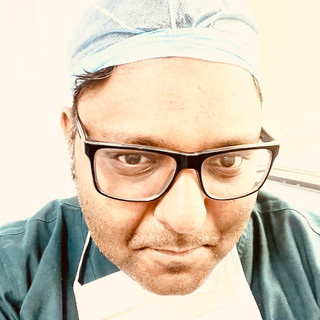
Surgeon: Dr Saurabh Bansal, GI, Advanced Laparoscopic & Colorectal Surgeon (DMC Reg. No. 37887), Founder & Director, THE CLINICS MISC, Hauz Khas. Published 23 November 2026.
Sleeve gastrectomy is the most commonly performed weight loss (bariatric) operation. If you have already read about who is eligible for bariatric surgery and how a sleeve compares with a bypass, this guide goes one step further: what actually happens during a laparoscopic sleeve gastrectomy, what the first weeks and months look like, and what a sleeve asks of you for the rest of your life.
What is a laparoscopic sleeve gastrectomy?
In a sleeve gastrectomy, about three-quarters of the stomach is removed along its outer curve, leaving a narrow tube, or sleeve, about the shape of a banana. Nothing is rerouted: food still passes through the stomach and into the intestine in the normal way.
The smaller stomach fills sooner, so you feel full with much smaller portions. The part of the stomach that makes most of the hunger hormone ghrelin is removed, so many people also feel less hungry. The operation is done laparoscopically, through small cuts, under general anaesthesia. It cannot be reversed, because the removed part of the stomach is taken out.
Who a sleeve may suit, and who it may not
Indian and Asian guidelines usually consider bariatric surgery for adults with a BMI of about 35 or more, or about 32.5 or more with an obesity-related illness such as type 2 diabetes, high blood pressure, sleep apnoea or fatty liver. Dr Saurabh Bansal decides after examining you and reviewing your tests. See weight loss and bariatric surgery at THE CLINICS.
A sleeve is often a good fit when:
You want an operation without rerouting of the intestine
You take regular medicines that need normal absorption
You do not have significant acid reflux or a large hiatus hernia
A sleeve may not be the right choice when:
You have severe acid reflux (GERD) or Barrett's oesophagus, because reflux can get worse after a sleeve. A gastric bypass is often preferred.
Type 2 diabetes is the main concern and has been difficult to control; a bypass may have a stronger effect. Read about the mini gastric bypass (OAGB).
You are not able to commit to lifelong supplements and follow-up
Before surgery: the assessment
Consultation with Dr Bansal: your weight history, medicines, diet and goals
Blood tests, including sugar, thyroid and vitamin levels
Upper GI endoscopy, which Dr Bansal performs at Hauz Khas, to check for reflux, a hiatus hernia, ulcers or H. pylori
Abdominal ultrasound, including the gallbladder and liver
Heart, lung and sleep-apnoea checks where needed
Diet counselling and a short pre-operative diet, often low in calories, to shrink a fatty liver and make surgery safer
The operation, step by step
You have general anaesthesia, and five or so small cuts are made on the abdomen.
A calibration tube (bougie) is passed through the mouth into the stomach to set the width of the sleeve.
The blood vessels along the outer curve of the stomach are sealed.
A stapler divides the stomach alongside the bougie, from near the outlet up to the top. The removed part is taken out through one of the cuts.
The staple line is checked for leaks and bleeding. If a hiatus hernia is found, it may be repaired at the same time.
The operation usually takes one to two hours.
Hospital stay and the first weeks
Most patients start sips of liquid the same day or the next day and walk on the day of surgery. The stay is longer than for day-care surgery, and you get your expected stay in writing before the operation. Most people return to desk work in about two weeks.
Stage | Usually | What you eat |
|---|---|---|
Clear liquids | First days | Water, clear soups, coconut water, in small sips |
Full liquids | About weeks 1 to 2 | Protein shakes, thin dal, buttermilk, milk if tolerated |
Soft and pureed | About weeks 3 to 4 | Mashed dal, khichdi, curd, paneer, eggs, soft fish |
Regular food | From about weeks 5 to 6 | Small, protein-first meals, chewed well |
The exact timeline is set by your dietitian and surgeon. A few rules apply for life: eat slowly, stop when you feel full, take protein first, sip water between meals rather than with them, and avoid fizzy drinks and high-sugar foods.
Life after a sleeve
Weight loss: most people lose a large part of their excess weight over the first one to two years. Results vary, and weight can return without lasting changes in diet and activity.
Health conditions: many people see improvement in diabetes, blood pressure, sleep apnoea and joint pain. Your doctors adjust your medicines as you lose weight.
Supplements: a multivitamin, calcium with vitamin D, vitamin B12 and iron are usually needed long term, with regular blood tests.
Follow-up: regular visits in the first year, then at least once a year.
Pregnancy: women are usually advised to wait until weight has stabilised, often 12 to 18 months, before trying to conceive.
Loose skin: after large weight loss, some people later consider body contouring such as a tummy tuck.
Risks of sleeve gastrectomy
All surgery carries risk. After a sleeve, possible problems include bleeding, a leak from the staple line, blood clots, infection, narrowing of the sleeve, new or worse acid reflux, gallstones during rapid weight loss, vitamin and mineral deficiencies, and, rarely, the need for further surgery. Dr Bansal explains the risks that apply to you before you decide.
Robotic surgery is not performed at THE CLINICS; the operation is done laparoscopically.
Sleeve gastrectomy near you in South Delhi
Dr Saurabh Bansal sees bariatric patients at THE CLINICS MISC, H2, Hauz Khas (Monday to Saturday, 9 am to 6 pm) and at THE CLINICS, Green Park (Monday to Saturday, 6 to 8 pm). Surgery is done at Hauz Khas. Patients come from Hauz Khas, Green Park, Saket, Malviya Nagar, Vasant Kunj, Safdarjung Enclave, Greater Kailash and the rest of South Delhi, as well as Gurgaon, Noida and other cities. NRI patients can send their reports on WhatsApp for review and a written estimate before travelling, and plan to stay in Delhi for about two weeks after surgery.
Related reading: weight loss surgery: a comprehensive guide.
Frequently asked questions
What is a laparoscopic sleeve gastrectomy?
It is a keyhole weight loss operation in which about three-quarters of the stomach is removed, leaving a narrow tube. You feel full sooner and many people feel less hungry.
Who is eligible for sleeve gastrectomy in India?
Usually adults with a BMI of about 35 or more, or about 32.5 or more with an obesity-related illness such as type 2 diabetes, after other weight loss methods have not worked. Suitability is decided after assessment.
How long is the hospital stay after sleeve gastrectomy?
The stay is longer than for day-care surgery and depends on your health. You get your expected stay in writing before surgery. Most people return to desk work in about two weeks.
Can a sleeve gastrectomy cause acid reflux?
Yes, reflux can start or get worse after a sleeve. Reflux is checked with an endoscopy beforehand, and a bypass may be advised if it is significant.
Will I need vitamins after a sleeve gastrectomy?
Yes. A multivitamin, calcium with vitamin D, vitamin B12 and iron are usually needed long term, with regular blood tests.
Where can I get sleeve gastrectomy in South Delhi?
Dr Saurabh Bansal sees bariatric patients at THE CLINICS MISC, Hauz Khas, and THE CLINICS, Green Park. For a free written quote, WhatsApp or call +91 92173 81353, or call +91 83683 75734.
Book a consultation at THE CLINICS
Phone: +91 83683 75734 or +91 92173 81353
WhatsApp: message THE CLINICS on WhatsApp
Book online: book a consultation
Consultation fee: ₹1,500 + ₹100 registration on the first visit. Insurance facilities available.
Get a free written quote: WhatsApp or call +91 92173 81353, or book at THE CLINICS Green Park (+91 84488 30013) or Hauz Khas (+91 92173 81353).
THE CLINICS MISC (surgery and OPD): H2 Hauz Khas, opp. Neeli Masjid, New Delhi 110016. THE CLINICS, Green Park (OPD): G-32 Ground Floor, Green Park Main Market Road, New Delhi 110016. See insurance and costs.
THE CLINICS has no emergency department. In an emergency, go to the nearest hospital or call 112. This article is general information and not a substitute for medical advice.


